
Hepatica
Anemone acutiloba & A. americana

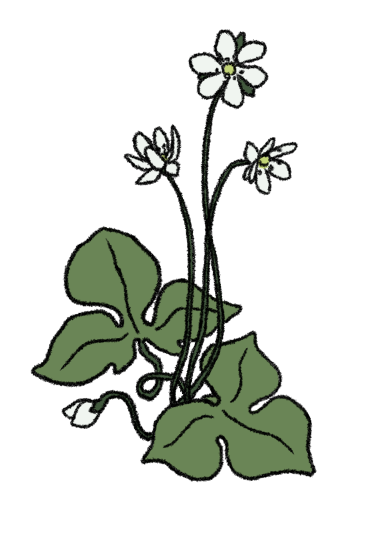
Hepatica was the first spring ephemeral I learned.
When I did Vermont Master Naturalist Tier I (five years ago now— wow!) we were each assigned a spring wildflower to study and briefly present on. Hepatica was mine, and has held a special place in my heart ever since.
Note: this is the second in a series of spring ephemeral wildflower posts I’ll be sharing this season. Subscribe to get a wildflower in your inbox a couple times a week now through May! My previous post on skunk cabbage can be found here.
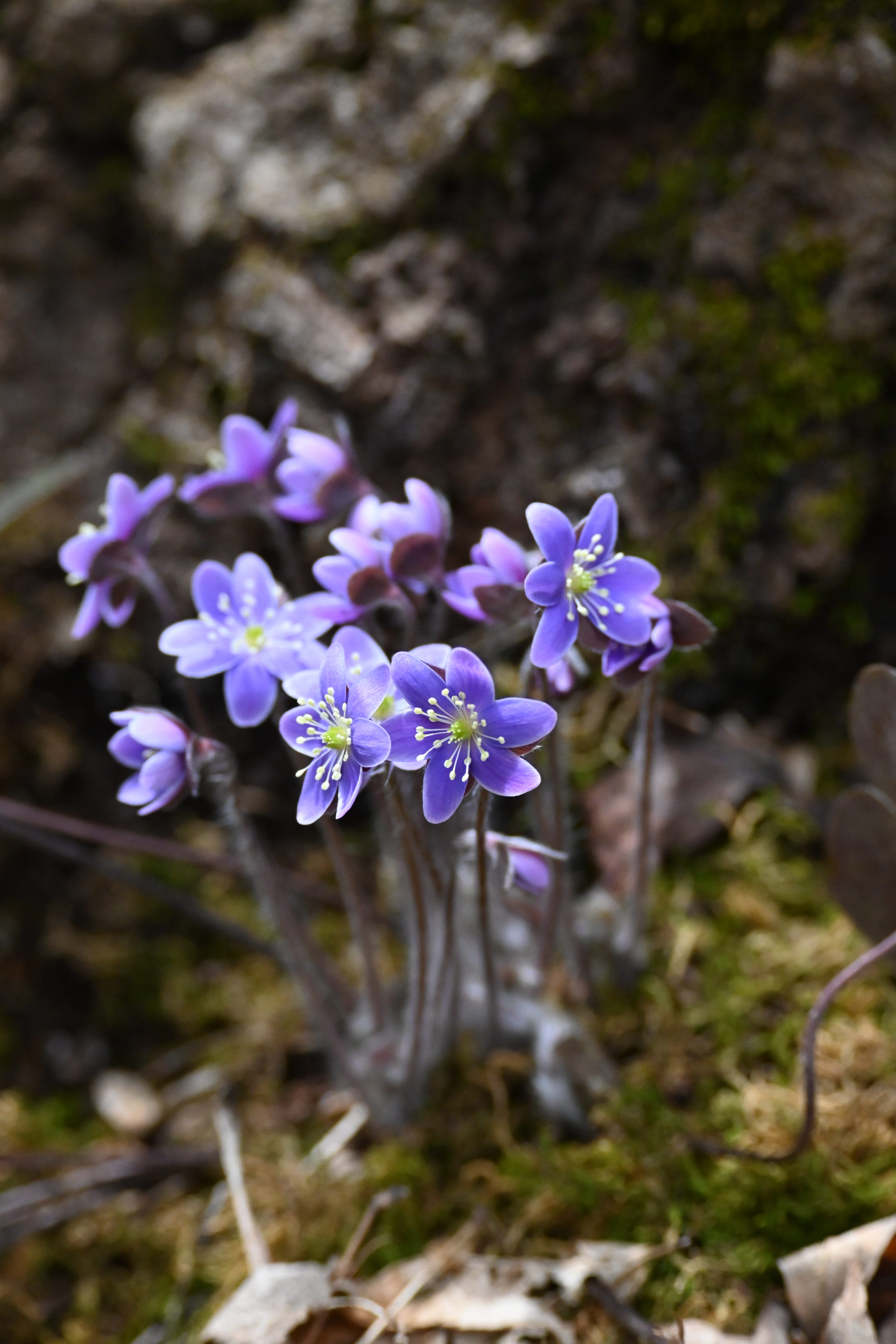
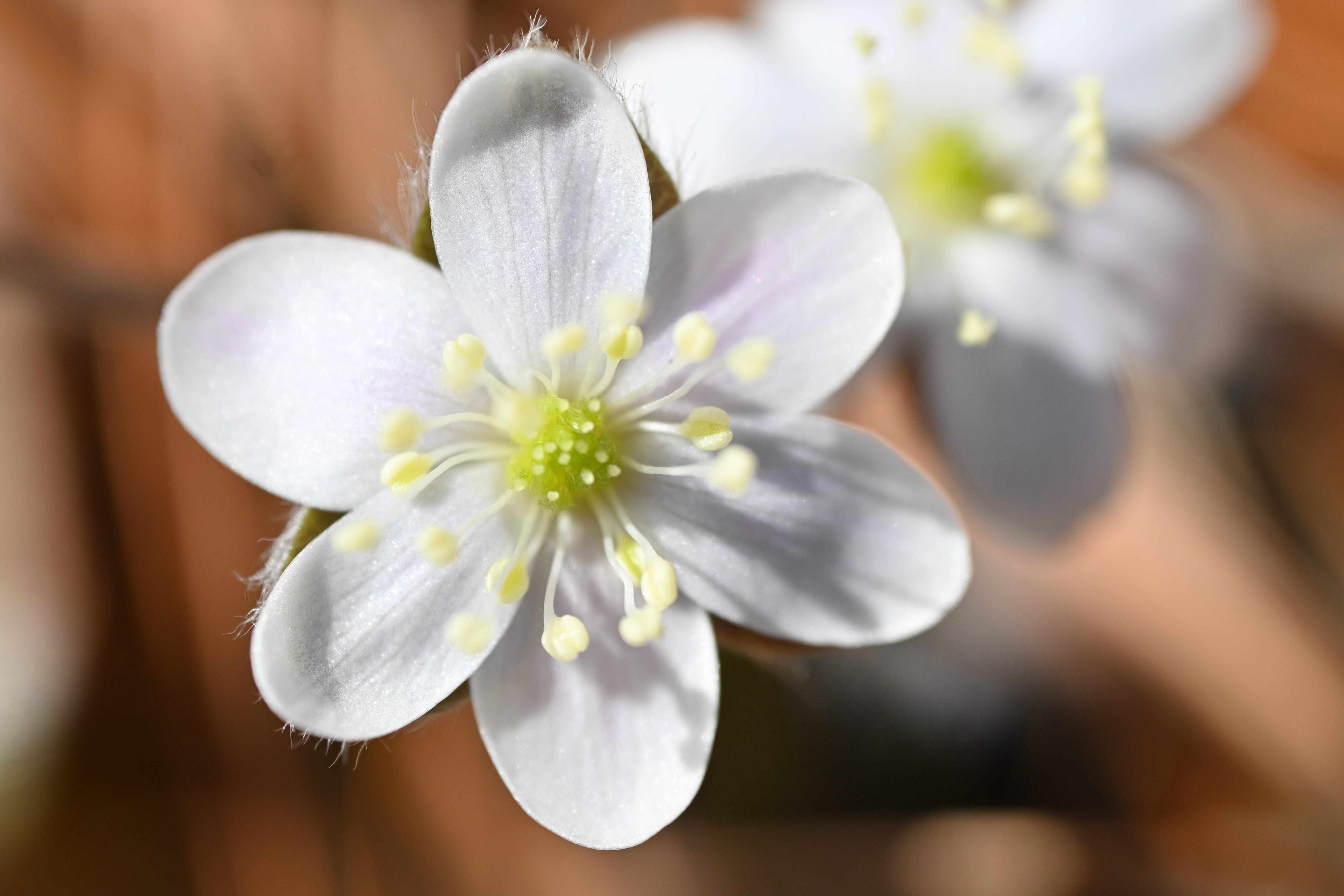
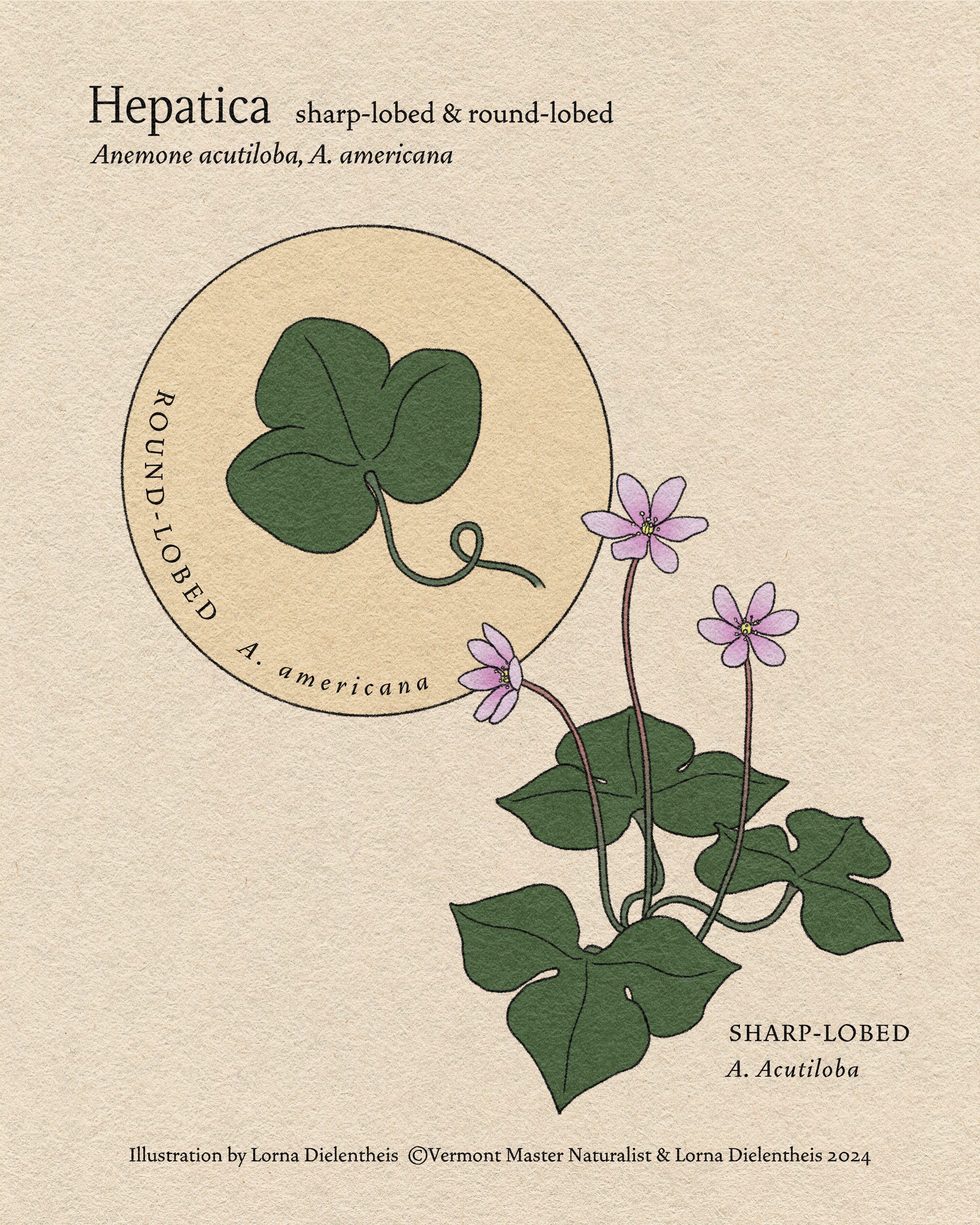
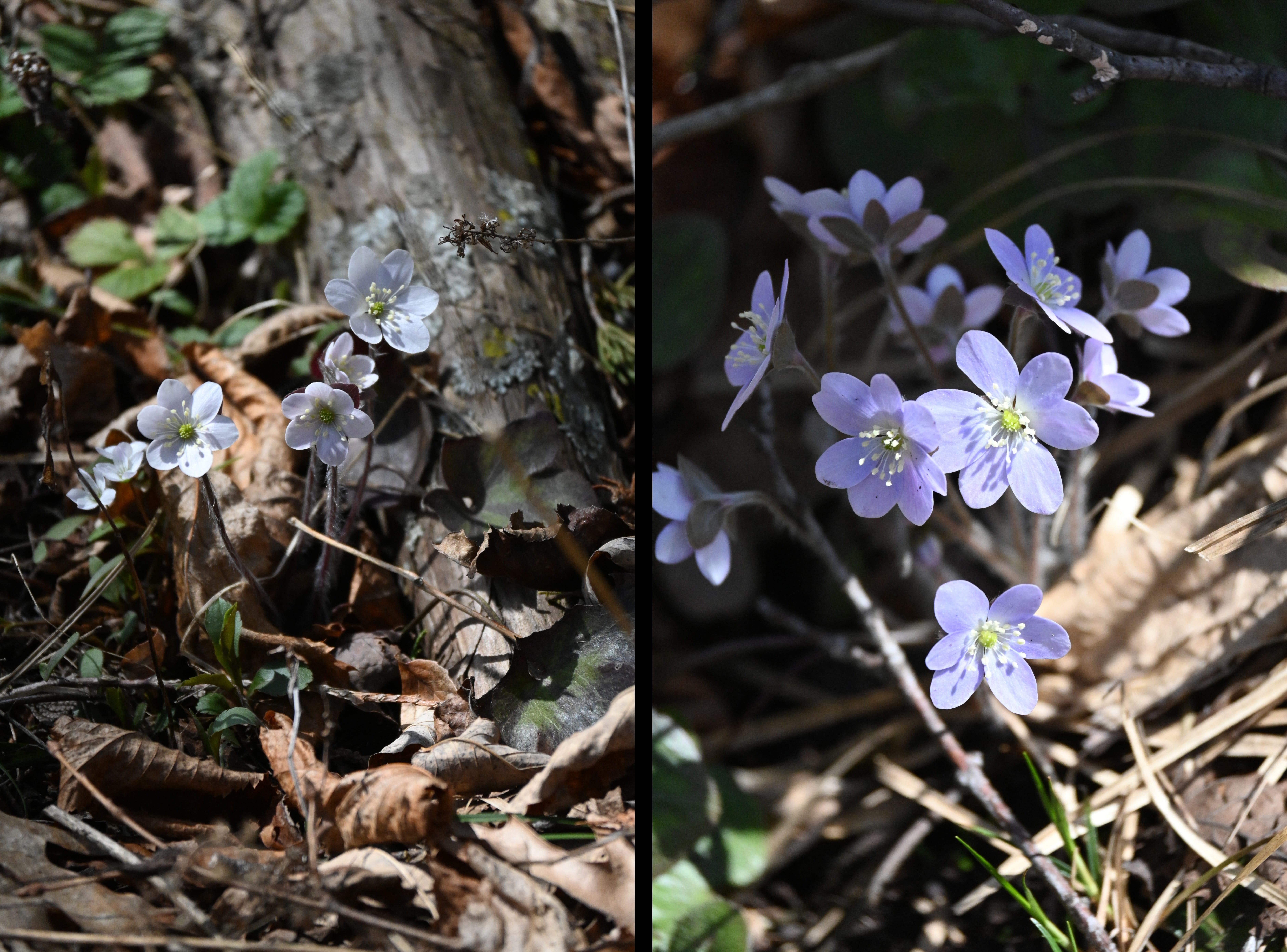
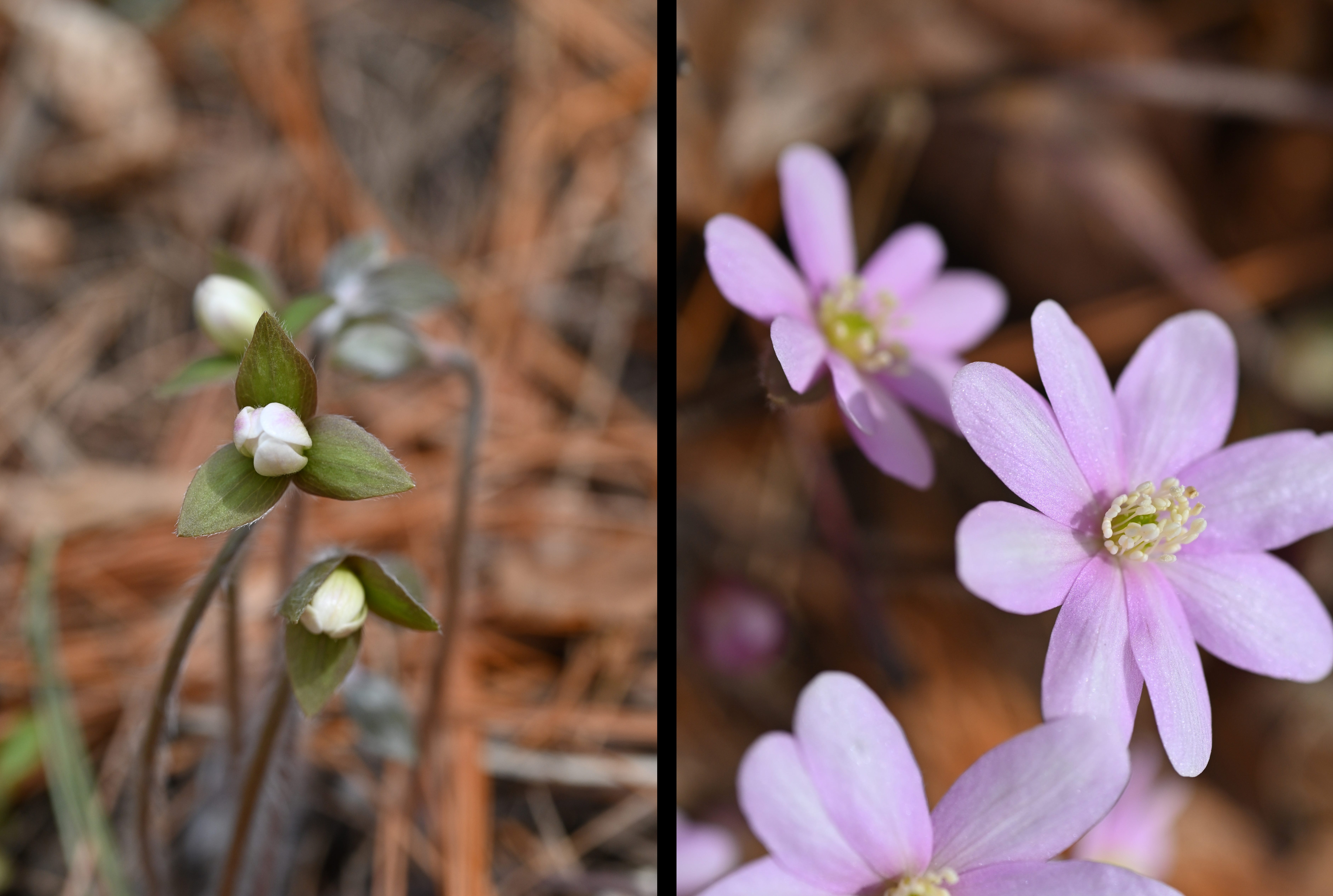
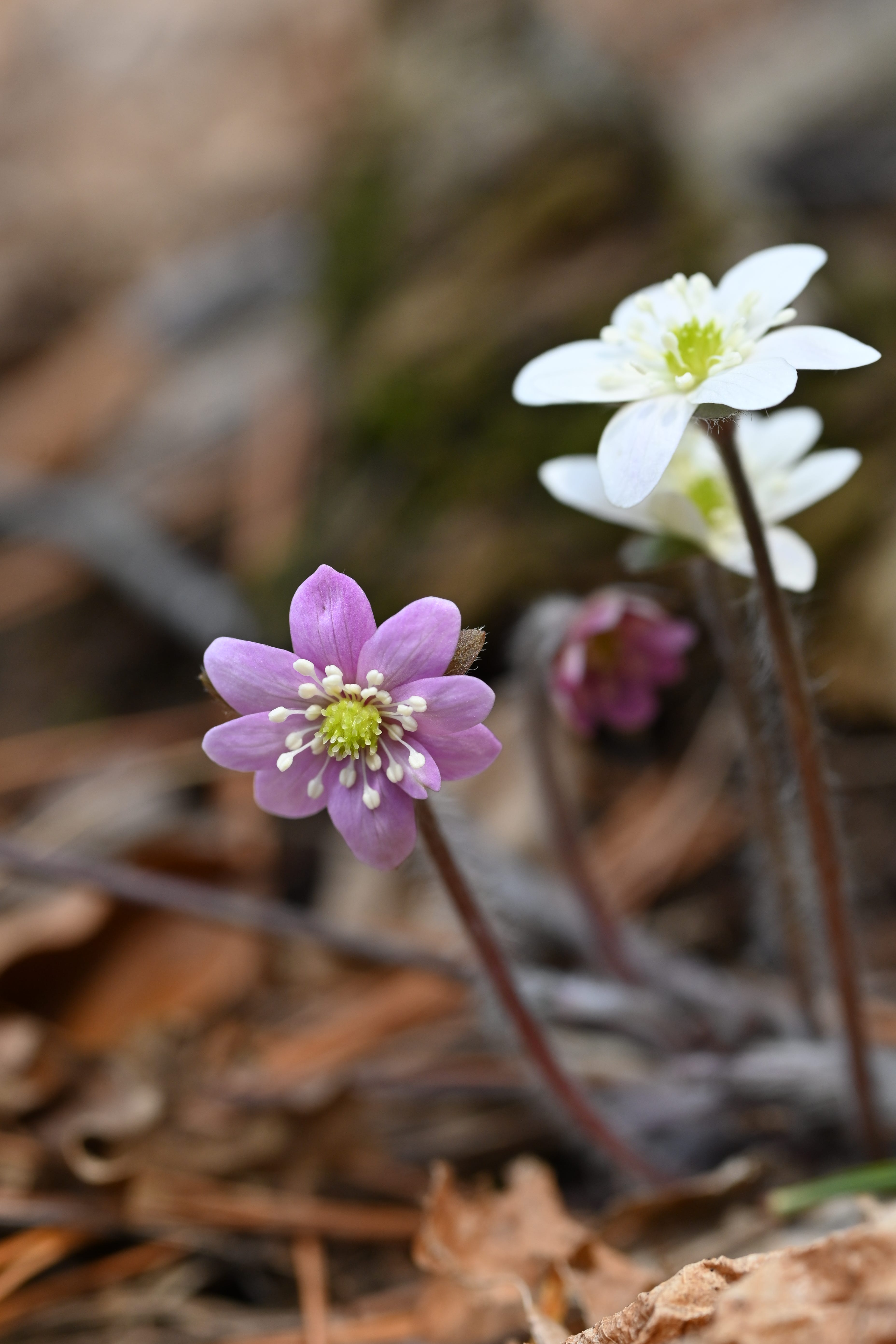
Hepatica (sharp- and round-lobed), Anemone acutiloba & Anemone americana.
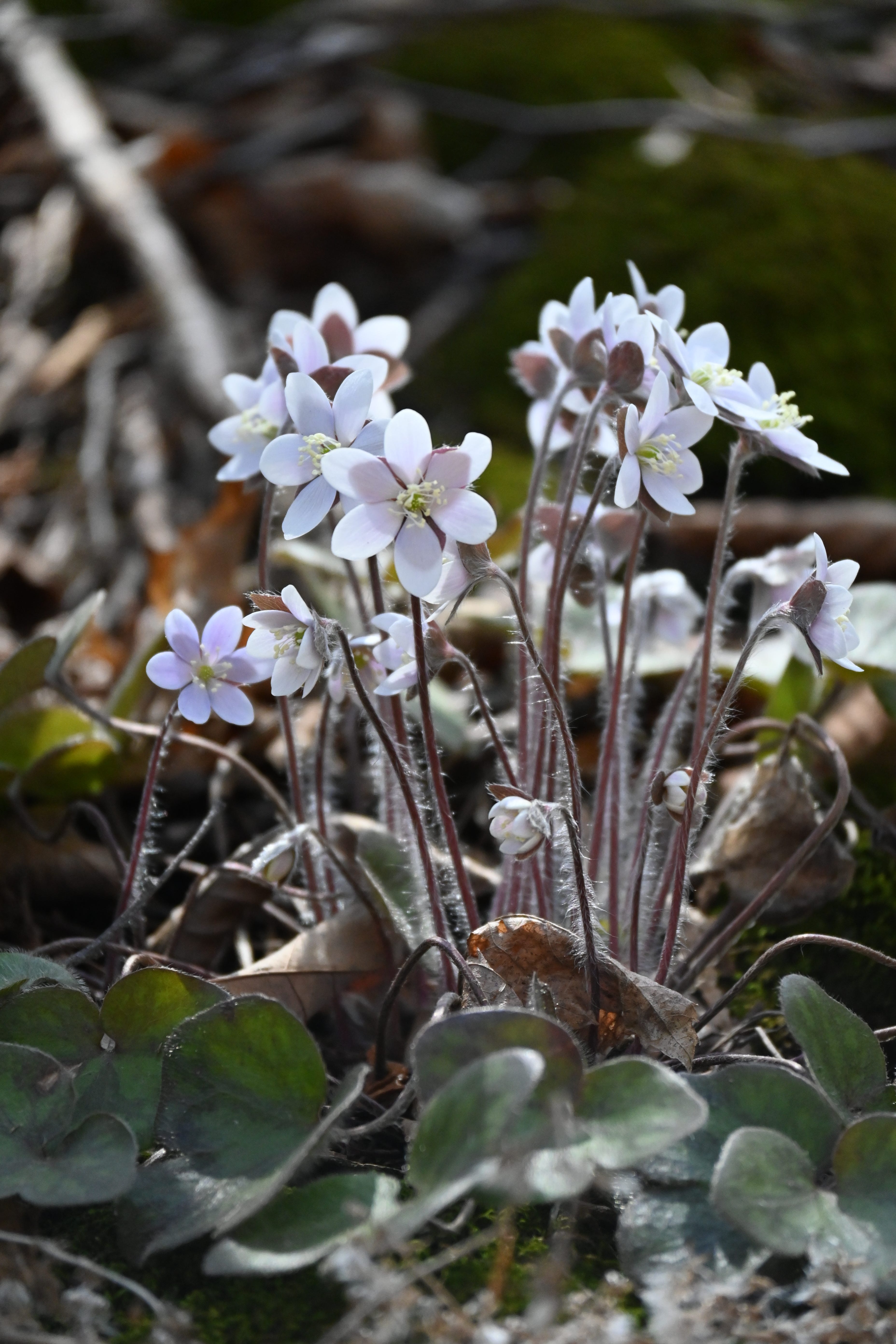
After skunk cabbage, Hepatica is one of the first wildflowers to bloom each spring. They have ethereal, hairy stems that help shield them from the cold, and distinct three-lobed leaves. Their flowers range in color and can be white, pink, purple, or blue. When they first emerge, before the flowers open, they remind me of little unicorn hooves.
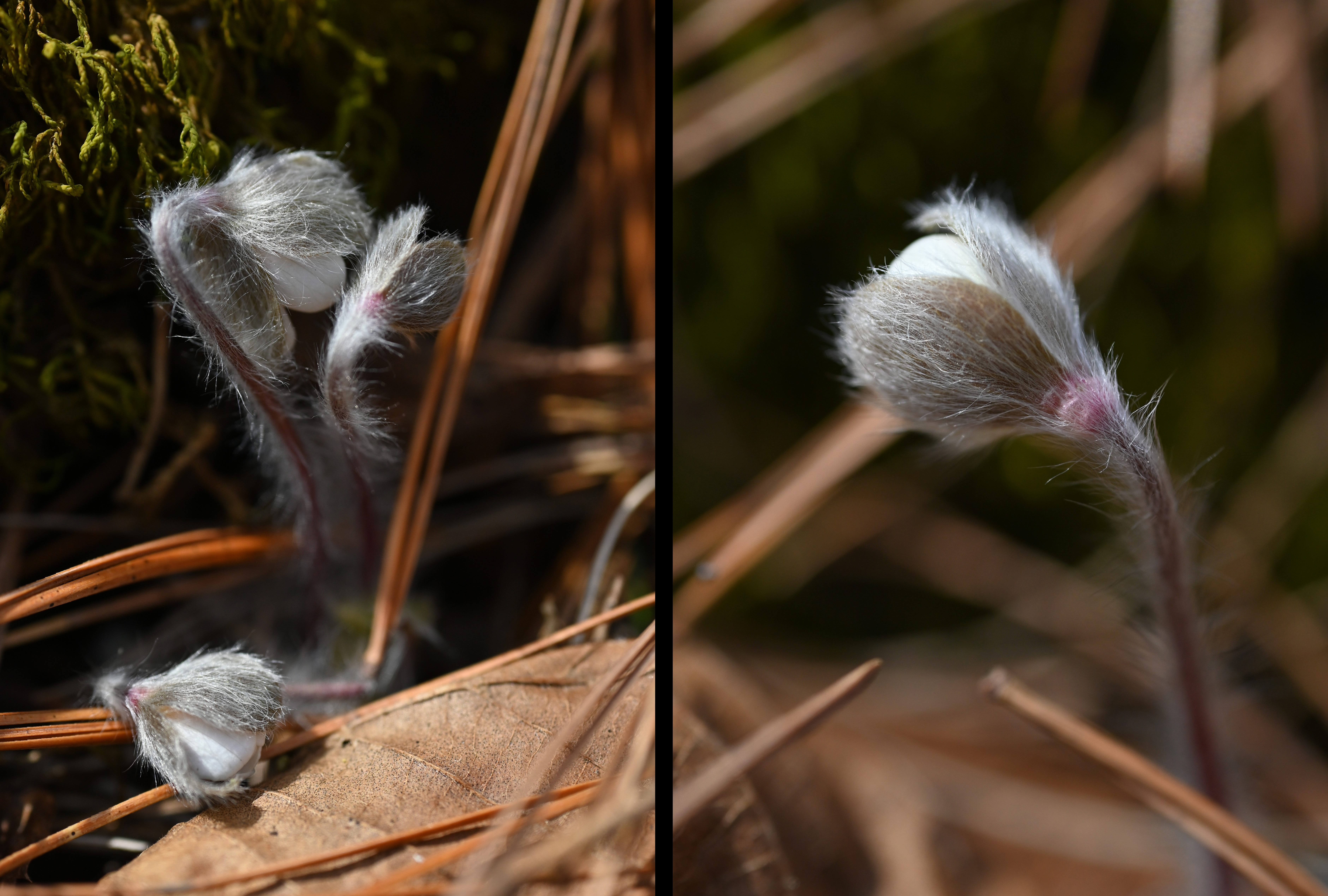
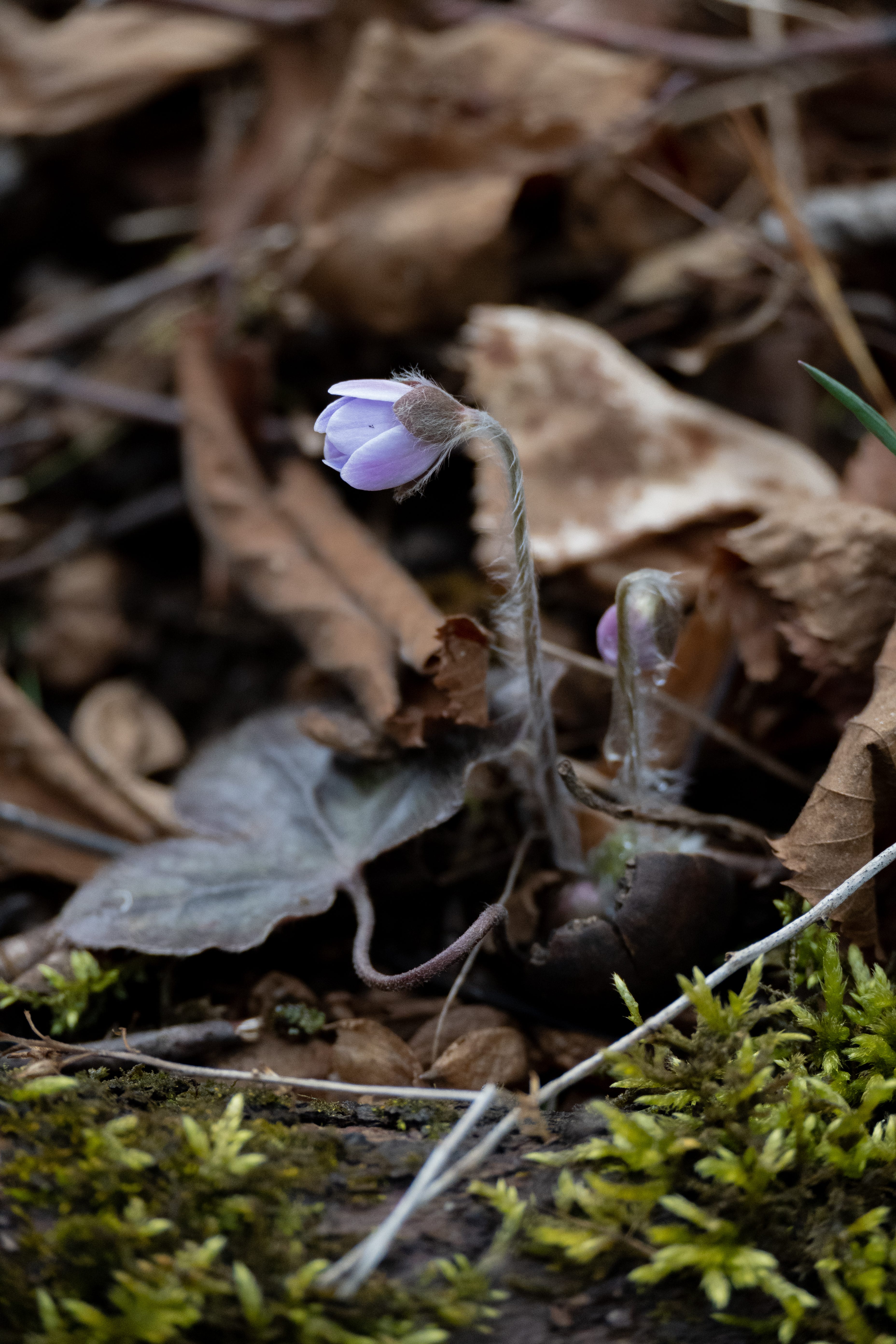
As you might have assumed, sharp-lobed hepatica’s leaves have sharp lobes, while round-lobed hepatica’s leaves have round lobes. Hybridization can occur where populations overlap. The two species have different habitat preferences, though: A. acutiloba (sharp-lobed) prefers calcareous soils, while A. americana (round-lobed) prefers more acid soils. I’ve seen them overlap, but more commonly I see one and not the other in a given location.


Hepatica is one of many spring wildflowers whose seeds are primarily dispersed by ants in a process called myrmecochory. Both plant and ant benefit from this process: attached to each of the plant’s seeds is a tasty ant treat— a fatty sac called an elaiosome. The ants carry this sac (and the attached seed) back to their nest and eat the elaiosome, then discard the seed in their nest’s “compost heap.” This happens to be an excellent place for it to germinate, protected from the above-ground critters that might eat it and nestled among decaying organic material.
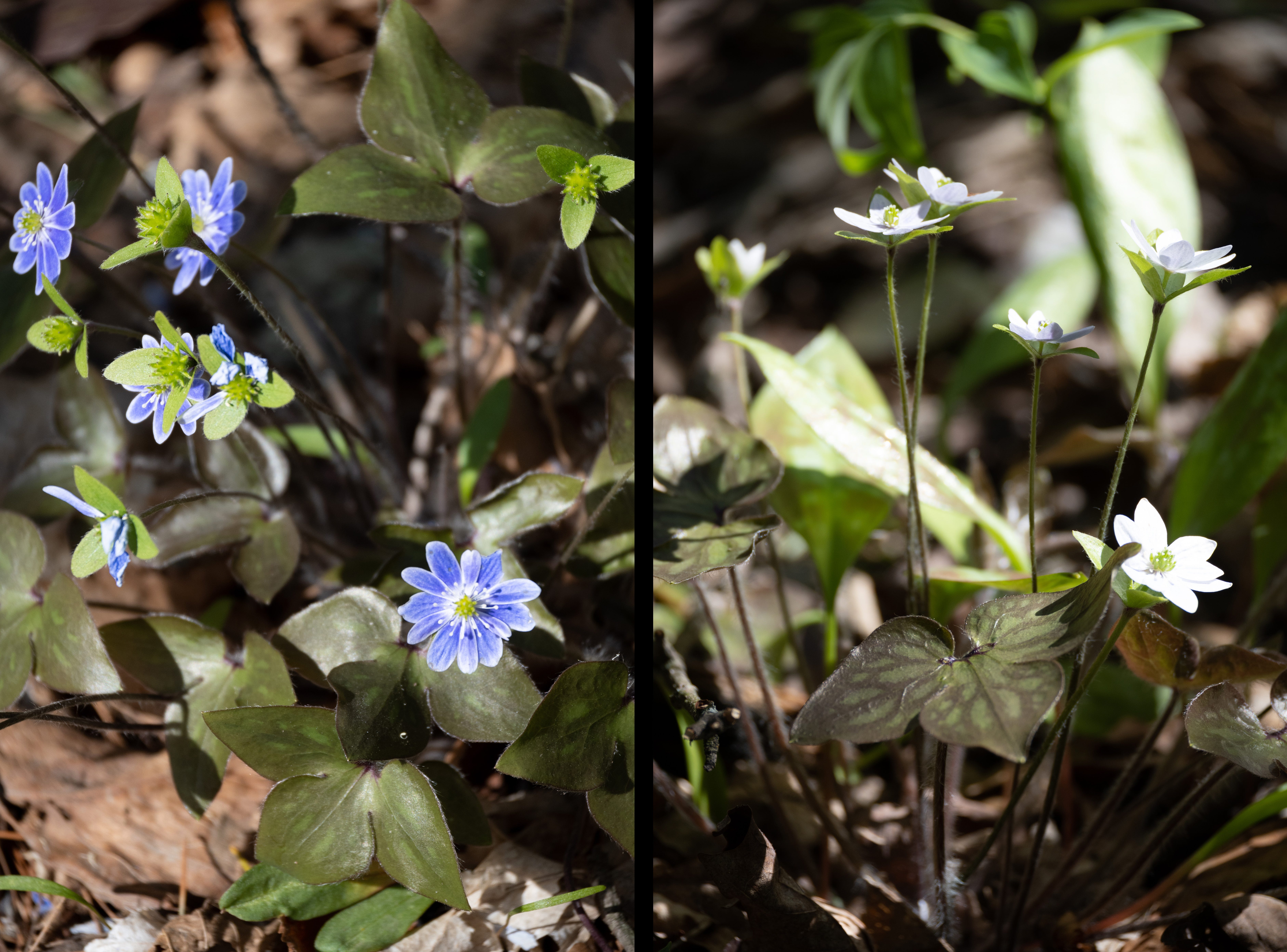
Hepatica’s liver-shaped leaves remain year-round and do not die back until the fresh blooms and leaves emerge the following year. For this reason, they’re not considered a “true ephemeral,” though I often use the term “ephemeral” loosely to refer to plants whose flowering occurs very early in the season.
Hepatica are just starting to poke through the leaf litter now in Vermont. Look for them in well-drained, rich woodland environments and enjoy the way their delightful, furry stems tremble in the wind.
All photos and illustrations are my own.
This is the second in a series of spring ephemeral wildflower posts. My previous post on skunk cabbage can be found here. Subscribe to get a spring wildflower in your inbox a couple times a week from now through May!
Your photos and illustrations are stunning! I gotta go commune with the unicorn hooves asap.
I love hepatica, and love finding it in the woods tucked up next to a tree. I also love the idea of the buds as tiny unicorn hooves -- thank you for that marvelous image!